
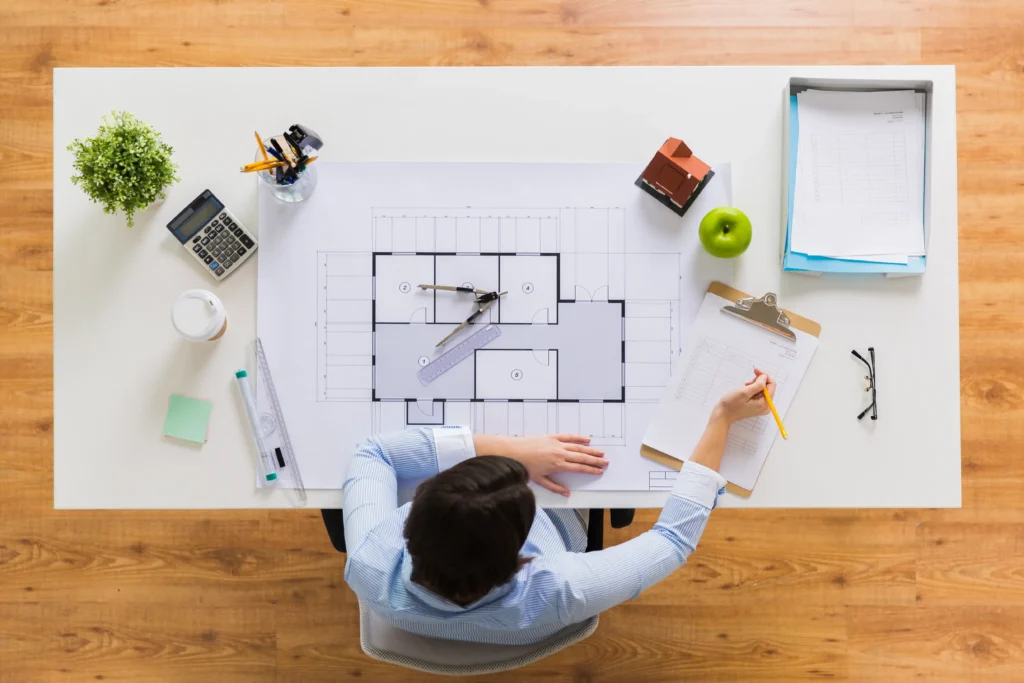
Most construction problems do not begin on site. They begin much earlier, during planning. Many homeowners focus on how a space will look once it is finished. Fewer think deeply about how it will feel to live in every day.
Daily living is made up of small routines. Walking through rooms. Cooking meals. Storing things. Sitting, working, resting. When space is not planned around these routines, frustration slowly builds. What looks good on drawings may feel uncomfortable in real life.
Planning space for daily living before construction starts is one of the smartest decisions a homeowner can make. It reduces mistakes, saves money, and creates homes that truly work.
- Daily Movement Should Guide the Layout
One of the most important parts of space planning is understanding how people move through a home. Movement patterns shape comfort more than most people realize.
Poor layouts force people to take extra steps, pass through tight areas, or move around furniture awkwardly. These issues may not be obvious on paper, but they appear quickly once daily life begins.
Good planning studies movement first. How do people enter the home? How do they move between rooms? Are paths clear and natural? When movement feels easy, the entire space feels calmer.
From experience, homes that respect daily movement feel larger and more comfortable, even without increasing size.
- Furniture and Use Come Before Walls and Decor
Many homeowners plan rooms before thinking about how they will be used. Furniture is chosen later, and problems appear.
Sofas block walkways. Dining tables feel too tight. Beds leave little space to move. Storage areas feel awkward.
Planning space for daily living means placing furniture mentally before construction begins. It means asking simple questions. Where will people sit? Where will they store daily items? How much space is needed around furniture?
When furniture use guides planning, rooms feel balanced. Spaces work naturally instead of feeling forced.
- Storage Needs Are Often Underestimated
Storage problems rarely appear on day one. At first, new homes feel clean and open. Over time, everyday items begin to pile up. Without proper storage, clutter takes over.
Many homeowners underestimate how much storage they actually need. Closets are too small. Cabinets are poorly placed. Utility storage is forgotten.
Planning storage early is part of planning daily life. Storage should be easy to access and fit naturally into the design. Good storage keeps spaces functional without hurting aesthetics.
From long-term observation, lack of practical storage is one of the most common homeowner regrets.
- Daily Tasks Shape Functional Zones
Homes are not just collections of rooms. They are systems of daily tasks. Cooking, cleaning, working, resting, and entertaining all need space.
When these tasks overlap poorly, stress increases. Kitchens feel crowded. Workspaces feel distracting. Bedrooms feel noisy.
Planning space for daily living means creating clear zones. Quiet areas stay quiet. Active areas stay practical. Tasks flow smoothly instead of colliding.
This type of planning improves comfort and reduces long-term frustration. Homes feel supportive instead of restrictive.
- Planning Early Prevents Costly Changes Later
Many design problems lead to expensive changes during construction. Walls are moved. Electrical points shift. Storage is added late.
These changes cost money and delay progress. They also create stress.
When daily living needs are planned before construction starts, fewer changes are needed later. Decisions are clearer. Construction moves smoothly.
From experience, projects with strong early planning stay closer to budget and finish with fewer compromises. Good planning saves money by preventing mistakes, not by cutting quality.
Final Thought
A well-built home is not defined only by materials or finishes. It is defined by how well it supports daily life. When space is planned around real routines, homes feel easier to live in and easier to maintain. Planning space for daily living before construction starts is not about complexity. It is about clarity. Understanding how people move, use, and live in a space leads to better decisions at every stage. The most successful homes are not the most dramatic. They are the most thoughtful. That practical, people-first approach defines the work of Triumph Design and Construction—because good design begins with how life is actually lived.