
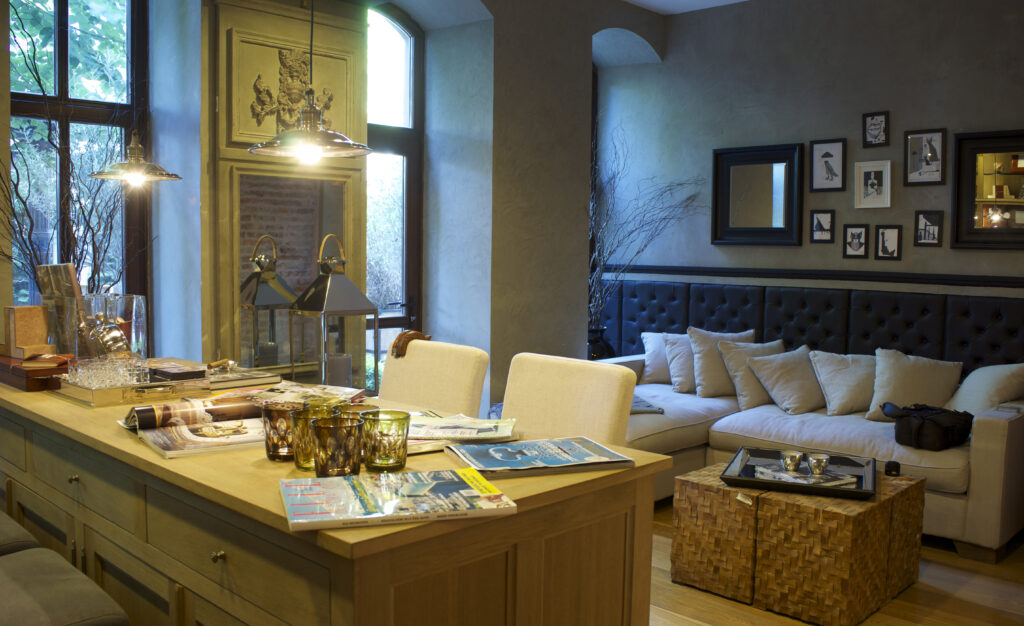
Many spaces look good when you first see them. Nice colors, modern shapes, and stylish finishes create a strong first impression. Photos look great. Everything feels perfect at the start. But after using the space every day, problems often appear. Storage feels small. Movement feels tight. Cleaning becomes hard. What once looked good no longer feels comfortable.
This is the real difference between a design that looks good and a design that actually works. Good design is not only about style. It is about how a space supports daily life. A space should feel easy to use, not just nice to see.
- Looks Matter at First, Use Matters Every Day
A space may look beautiful on day one. But people live in it every day. If the layout is poor, daily life becomes tiring.
Furniture that blocks movement, rooms that feel awkward, or storage that is hard to reach create stress over time. Design that works thinks about real use. It considers how people walk, sit, cook, work, and rest. Beauty is important, but comfort lasts longer.
- Trends Fade, Daily Needs Stay
Design trends change fast. What feels modern today may feel old in a few years. Many designs follow trends without thinking about real needs.
Working design starts with questions. Who will use the space? How often? For what purpose? When design matches lifestyle, the space stays useful longer. Trend-based design may look fresh, but need-based design lasts.
- Poor Planning Creates Daily Problems
Some design problems are not visible at first. Bad lighting hurts the eyes. Wrong electrical points cause inconvenience. Materials that look good may be hard to clean.
Design that works plans these details early. Good planning reduces repair costs and daily frustration. A well-planned space feels calm and easy, even after years of use.
- Good Design Fits People, Not the Other Way Around
Some spaces force people to adjust. Cabinets are too high. Walkways feel narrow. Rooms feel tight. This makes people feel uncomfortable in their own space.
Good design adjusts to people. It respects comfort, movement, and ease of use. When a space feels natural, people enjoy being there. The space works with them, not against them.
- Functional Design Adds Long-Term Value
Design that works adds value over time. Smart layouts, durable materials, and easy maintenance make a space more valuable. These spaces age well and stay attractive.
Buyers and users may not know why a space feels right. But they feel it. Function creates comfort, trust, and long-term value.
Final Thought
Design is more than appearance. It is about how a space feels and works every day. A beautiful design may impress at first, but a working design brings lasting comfort.
When design balances looks with function, spaces become easier to live in and easier to maintain. This is where real value comes from. That balance is the foundation of thoughtful work at Triumph Design and Construction.